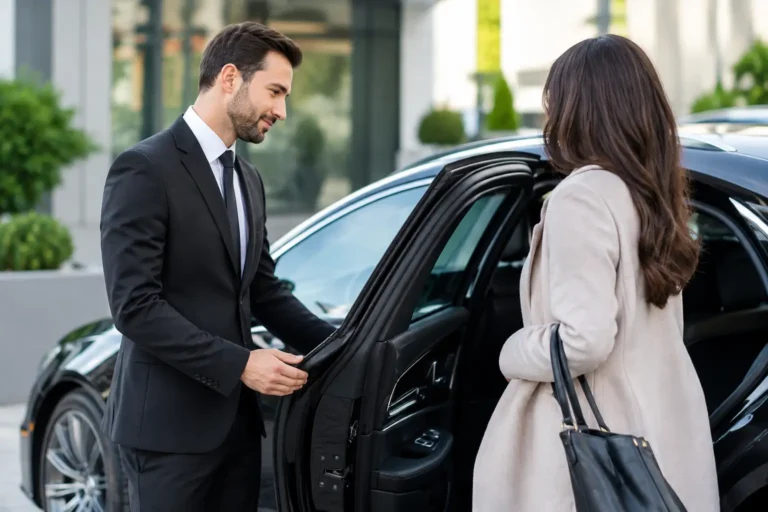

A well-planned wine country day should feel unhurried from the moment you leave home. This wine tour itinerary example is designed for guests travelling from Toronto, Vaughan, or elsewhere in the GTA who want excellent wines, comfortable pacing, and a professional chauffeur handling the road, parking, reservations, and return trip.
Niagara wine country is close enough for a day trip, but the details make the difference. Tastings can run long, popular restaurants fill quickly, and driving between estates after sampling wine is not the right way to end a special occasion. A private chauffeured itinerary gives your group the freedom to enjoy the experience while keeping the schedule dependable.
A Wine Tour Itinerary Example for Niagara
This sample itinerary suits a couple, a small group of friends, visiting clients, or a family celebration. It allows time for three winery visits, a proper lunch, scenic travel, and a relaxed return home. The exact wineries can change according to your preferences, seasonal availability, and whether your group is interested in sparkling wine, estate-grown reds, icewine, or food pairings.
9:30 a.m. – Private pickup in the GTA
Begin with a scheduled pickup at your home, hotel, office, or another agreed location. For a Toronto departure, a morning pickup usually provides enough time to reach Niagara-on-the-Lake before late-morning reservations without making the day feel rushed.
Your chauffeur can assist with luggage, coats, and any supplies you plan to bring along. A luxury sedan is often ideal for two or three guests, while an SUV provides more room for four to six passengers and any wine purchases made during the day. For larger celebrations, a stretch vehicle, shuttle van, or party bus may be more suitable.
A pre-booked chauffeur service is particularly valuable when your group is coming from different parts of the GTA. Instead of arranging several rides or choosing a meeting point, pickups can be coordinated in advance with a realistic route and schedule.
11:00 a.m. – First winery tasting
Make the first stop a focused tasting at an established Niagara estate. Early in the day, your palate is fresh and tasting rooms are often calmer. This is a good time for a guided flight that introduces the region’s signature styles, such as Riesling, Chardonnay, Pinot Noir, Cabernet Franc, and traditional-method sparkling wine.
Plan for approximately 60 to 75 minutes. That leaves room to enjoy the experience, speak with winery staff, and browse the shop without creating pressure later in the day. If your group has a strong interest in wine education, consider booking a seated tasting or vineyard tour rather than a quick bar tasting.
The first stop should set the tone, not use up the entire afternoon. A polished wine tour has space for conversation and discovery, but it also respects the next reservation.
12:45 p.m. – Lunch in Niagara-on-the-Lake
A full lunch is more than a pleasant break between tastings. It gives everyone time to reset, enjoy local cuisine, and avoid moving through multiple tastings on an empty stomach. Niagara-on-the-Lake offers a refined setting for lunch, whether you prefer a winery restaurant, a bistro in town, or a private dining experience.
Reserve ahead, especially on weekends, during harvest season, and around holidays. Allow 75 to 90 minutes for lunch. Shorter can work for a business-minded itinerary, but a leisurely meal is usually the better choice for anniversaries, birthdays, or a day out with guests.
If you are celebrating, let the restaurant know in advance. A table with vineyard views, a special dessert, or a bottle selected for the meal can make the occasion feel more personal without complicating the schedule.
2:30 p.m. – Second winery with a distinct style
The afternoon tasting should offer contrast. If the first winery featured crisp whites and sparkling wine, choose a producer known for fuller reds, barrel-aged wines, or a structured food-and-wine pairing. The variety keeps the itinerary engaging and helps guests understand how much Niagara’s wine regions can differ over a relatively short distance.
This is also a sensible point for a more immersive booking. A cellar tasting, a vineyard walk in warmer months, or a paired tasting can become the highlight of the day. Plan about 75 minutes, with extra time if the experience includes a tour.
It is worth remembering that more wineries do not always create a better wine tour. Three well-chosen visits are often more enjoyable than trying to fit in five rushed stops. The right pacing is especially important for groups who are new to wine tasting or who want time to purchase bottles and take photos.
4:15 p.m. – Scenic stop or third tasting
The final portion of the afternoon can go in one of two directions. Groups that want to focus on wine may choose a third tasting, ideally at a smaller estate or one known for a specialty such as icewine. Guests who prefer a slower day may enjoy a scenic stop near the Niagara Parkway, a brief walk through Niagara-on-the-Lake, or time at a local market.
This flexibility is one reason a private itinerary works so well. Weather, traffic, reservation timing, and the group’s energy can all influence the best final stop. A professional chauffeur remains available while the day stays organized around your priorities.
For a final tasting, consider limiting the flight or choosing a single premium pour. By this point, the goal is to finish on a memorable note, not to fit in every possible sample.
5:30 p.m. – Departure for the GTA
A late-afternoon departure usually allows guests to return to Toronto and surrounding communities in time for a relaxed evening. The drive home becomes part of the experience: no designated driver, no need to navigate highway traffic, and no uncertainty about parking or pickup availability after a long day.
If you have purchased wine, your chauffeur can help ensure bottles are stored securely in the vehicle. For groups planning dinner at home or at a restaurant after the tour, build that into the booking so your return timing is realistic.
How to Adjust This Wine Tour Itinerary Example
The best itinerary depends on the occasion. Corporate groups may prefer an earlier departure, shorter lunch, and winery experiences that support conversation with clients or colleagues. A couple celebrating an anniversary may choose fewer stops, a longer lunch, and a premium private tasting. Larger groups need additional attention to reservation capacity, vehicle selection, and the time required to enter and exit each venue.
Season also matters. Summer weekends bring heavier traffic and busy tasting rooms, so earlier reservations and a slightly longer travel window are wise. In winter, the region is quieter and more intimate, though outdoor vineyard activities may not be available. Harvest season offers energy and beautiful scenery, but it is one of the busiest times to visit.
When planning, share your preferred pickup location, group size, desired departure time, winery interests, and any mobility or accessibility requirements. These details help create a route that is comfortable rather than overly ambitious.
Why Chauffeured Transportation Changes the Day
Wine tours involve more logistics than a standard outing. There are timed reservations, rural roads, changing traffic conditions, wine purchases, and the responsibility of getting everyone home safely. A chauffeured vehicle removes those pressures while giving the group privacy and a dependable point of contact throughout the trip.
With Fly Limousine Services, guests can arrange a vehicle that fits the size and tone of the occasion, from an executive sedan for a quiet couple’s day to an SUV or larger group vehicle for a celebration. Fixed-rate planning also makes it easier to set expectations before the day begins, rather than managing changing ride costs and availability between stops.
A wine country day is at its best when no one has to watch the clock too closely or volunteer to stay sober behind the wheel. Choose the experiences you genuinely want, leave room for a long lunch and an unexpected favourite bottle, and let the journey home be just as comfortable as the tastings.