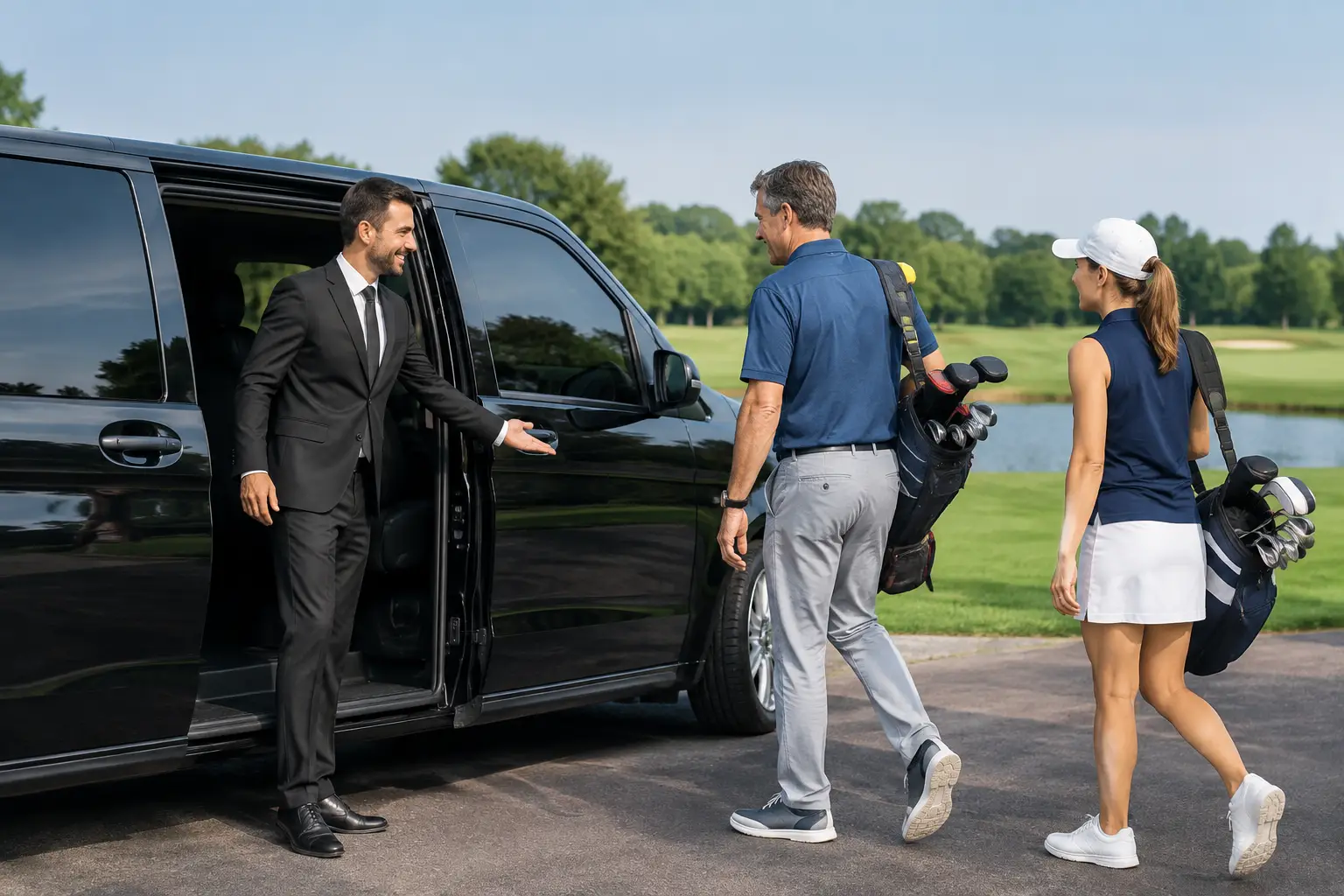
A 7:42 a.m. tee time leaves little room for uncertainty. If one foursome is delayed in traffic, another is looking for parking, and golf bags are split between vehicles, the first part of the day can feel rushed before a ball is struck. A well-planned golf outing transport example shows how group transportation turns a moving set of guests into an organised, on-time arrival.
For corporate golf days, client entertainment, charity tournaments, and private group outings, transportation is not simply the trip to the course. It sets the pace for registration, breakfast, warm-up time, post-round dining, and the journey home. The right plan protects the schedule while giving guests a more comfortable, professional experience.
A Golf Outing Transport Example That Works
Consider a Toronto-based company hosting 28 guests for a weekday golf outing at a course outside the city. The first tee time is 9:00 a.m., with registration and breakfast beginning at 8:00 a.m. The organiser wants everyone together early enough to check in, receive tournament information, and use the practice facilities without a last-minute rush.
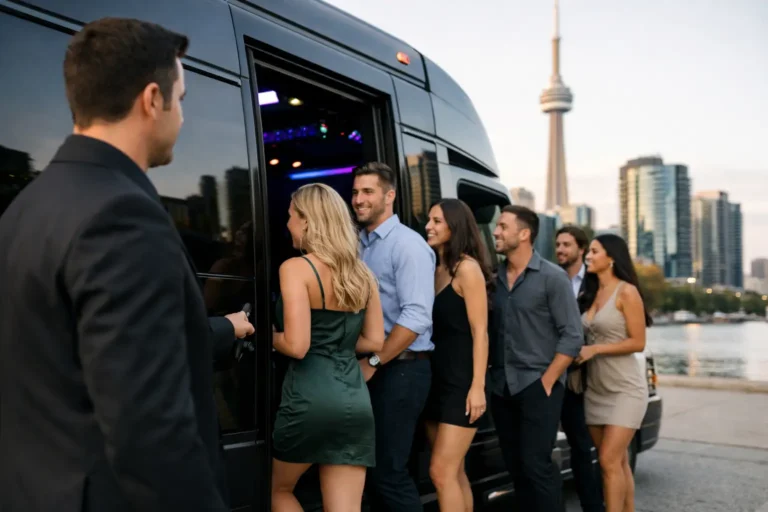
Rather than asking attendees to drive separately, the company books a professionally chauffeured shuttle bus with suitable luggage and golf-bag capacity. Guests are given one central pickup point at 6:45 a.m. and asked to arrive 10 minutes early. The chauffeur arrives ahead of the scheduled departure, confirms the passenger list, helps load clubs, and departs at 7:00 a.m.
The route includes a realistic traffic allowance, not just the fastest route shown at a quiet time of day. The group arrives at 7:50 a.m., providing a useful buffer before registration. Bags are unloaded together, no one needs to search for a parking space, and the event host can begin the day with the full group present.
After the round, the vehicle remains scheduled for a 4:30 p.m. departure. Because golf rounds, award presentations, and patio service can run late, the organiser confirms a reasonable waiting window in advance. Guests can enjoy refreshments and conversation without assigning a designated driver or checking multiple ride-hailing apps. The group returns to the pickup location together, with an optional second drop-off point if it is practical for the route.
This approach is straightforward, but each detail has a purpose: one booking contact, one defined pickup plan, professional luggage handling, known departure times, and a safe ride home after a long day on the course.
Start With the Schedule, Not the Vehicle
The vehicle matters, but the itinerary should decide the vehicle choice. Begin with the tee-time schedule and work backward. Ask the course when registration opens, whether breakfast is included, how long bag drop takes, and whether the group needs time for introductions, putting practice, or tournament photos.
For most group outings, arriving 45 to 60 minutes before the first tee time is sensible. A larger tournament may need more time, especially if players must register, collect carts, purchase raffle tickets, or attend a briefing. If the course is beyond the GTA or the departure falls during weekday rush hour, build in additional travel time rather than relying on an ideal journey estimate.
The return schedule needs the same care. A golf outing does not always end when the final group holes out. Allow for a post-round meal, scoring, prizes, sponsor remarks, and guests changing clothes. Setting a clear departure time keeps the event moving, while a pre-arranged wait period provides flexibility where it is needed.
Match Capacity to People, Clubs, and Comfort
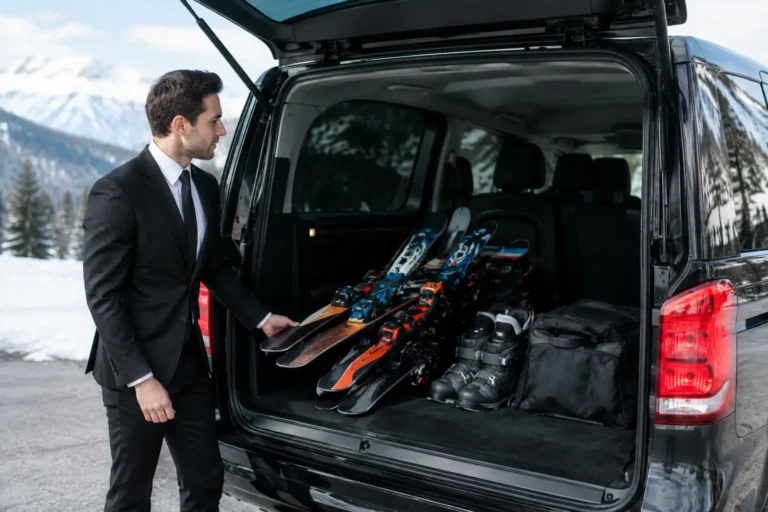
A common planning error is booking based only on passenger count. Golf clubs take space, and a vehicle that accommodates 20 seated guests may not be the right choice for 20 people carrying full golf bags, outerwear, coolers, or event materials.
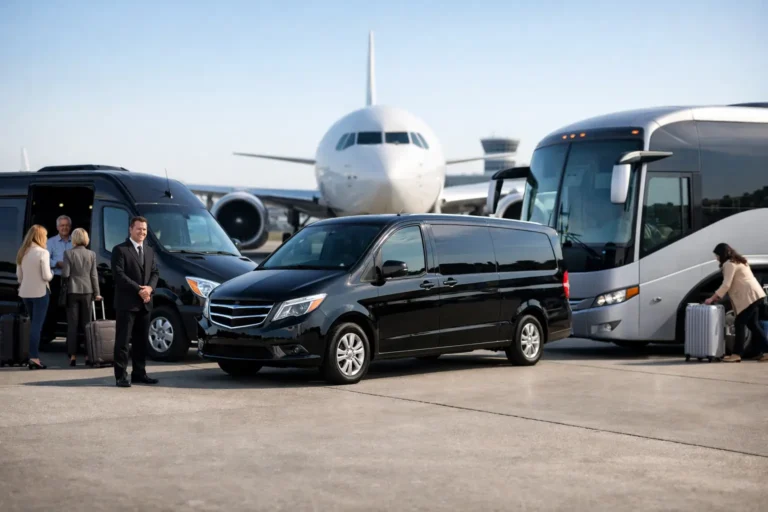
For a small executive group, luxury SUVs or executive vans may offer the right balance of privacy, comfort, and bag capacity. For a larger corporate group, a shuttle bus can keep everyone on one schedule and provide a more coordinated arrival. A party bus may suit a social or celebratory outing, although organisers should still confirm that there is enough dedicated room for clubs and that the onboard atmosphere fits the event.
There is a trade-off between placing everyone in one larger vehicle and using several smaller vehicles. One bus simplifies attendance and timing. Multiple vehicles can be useful when guests are leaving from different areas, need more private travel, or are staying at separate hotels. The best choice depends on the group, the route, and the event’s priorities.
When requesting a quote, provide the actual guest count, estimated number of golf bags, pickup addresses, tee-time details, and any equipment such as signage, prizes, or presentation materials. Accurate information supports accurate vehicle recommendations and fixed-rate pricing.
Make the Pickup Experience Easy for Guests
Guests should not need to guess where to stand, who to contact, or whether the vehicle has arrived. A clear transportation message sent several days before the outing should state the pickup address, arrival time, departure time, vehicle description, organiser contact, and a reminder to bring golf clubs and appropriate clothing.
For an office pickup, choose a location where a shuttle can safely stop and load without blocking traffic. For hotel pickups, confirm the designated entrance and whether the property has restrictions for larger vehicles. If attendees are coming from across Toronto, Vaughan, Markham, or Mississauga, a central pickup point often keeps the plan efficient. However, a second pickup can make sense if it adds only limited travel time and materially improves attendance.
The chauffeur should have the final itinerary and the organiser’s mobile number. The organiser should have the transportation provider’s dispatch contact for day-of updates. This simple communication structure avoids confusion if a guest is delayed, weather changes the schedule, or the course requests an adjusted arrival time.
Plan for the Details That Affect the Day
Golf is an outdoor event, so the transport plan should account for conditions beyond traffic. Rain gear, umbrellas, extra layers, and wet shoes can create more luggage than expected. If the group is travelling early in spring or late in autumn, guests may bring bulkier clothing. Confirm that the selected vehicle has appropriate storage from the outset.
Weather can also affect road conditions and pace of play. A dependable plan includes a departure buffer and a realistic return arrangement. If the outing includes alcohol service, a chauffeured return is a responsible choice that lets guests relax without compromising safety.
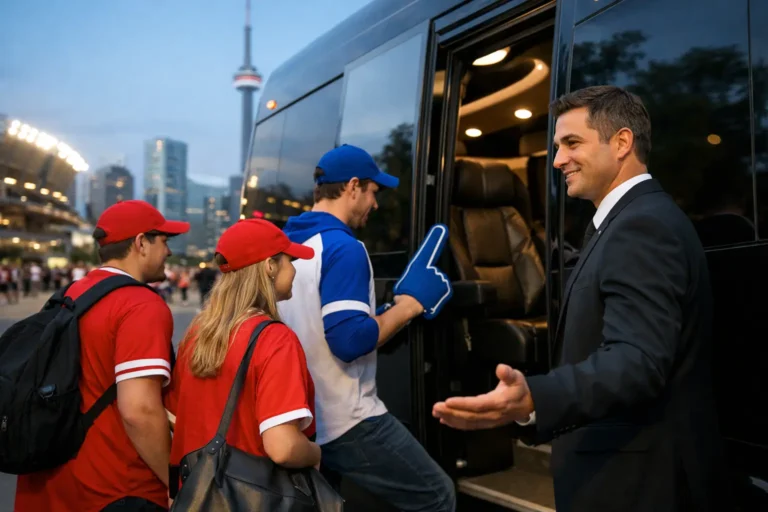
For client-facing events, consider the impression created at both ends of the journey. A clean luxury vehicle, courteous chauffeur, organised loading process, and punctual arrival signal that the host values guests’ time. That is especially meaningful when senior leaders, partners, or prospective clients are part of the group.
Questions to Confirm Before Booking Golf Outing Transportation
Before finalising service, confirm the number of guests and bags, pickup and return locations, tee-time schedule, vehicle type, planned wait time, and the procedure for itinerary changes. It is also helpful to ask whether the quote includes expected route details and whether there are additional considerations for extended waiting, extra stops, or a late finish.
A professional provider should be able to discuss these points clearly rather than offering a vague estimate. Fly Limousine Services can coordinate chauffeured transportation for golf groups across the Greater Toronto Area, with fleet options suited to executive travel, group shuttles, and special-event requirements.
The most successful golf days feel unhurried from the first pickup to the final drop-off. Give guests a clear plan, allow enough time for real-world travel, and choose transportation that treats the ride as part of the occasion rather than an afterthought.